Faucets are one of the most used fixtures in any household, yet they often don’t get the attention they deserve. From early morning routines to washing hands, cleaning vegetables, or brushing teeth, faucets play a role in almost every part of our daily life. Choosing the right faucet can bring comfort, style, and efficiency while a poor-quality faucet can lead to leaks, wasted water, and ongoing frustration.
A faucet might look simple, but inside it contains valves, cartridges, aerators, seals, and internal channels that all need to work smoothly. With advancements in technology and design, modern faucets offer more control, better water flow, improved hygiene, and long-lasting durability. This article brings together real product knowledge, practical manufacturing insight, and hands-on experience to help you understand what makes a faucet reliable and how to choose the best one for your home.
Faucets
Faucets have been around for centuries, but their function remains the same—control the flow of water efficiently. A faucet allows you to manage the volume and temperature of water using levers, knobs, or motion sensors. These essential fixtures can be simple or complex depending on their internal design, but all aim to provide clean and convenient access to water.
The first faucets were only basic valves made from brass or bronze. Today’s faucets come in various styles, from single-handle mixers to touchless sensor faucets. These changes reflect both technological improvements and the growing desire for comfort and hygiene in modern homes. Despite the variety, all faucets must be durable, leak-resistant, and easy to operate.
Understanding Faucets and Their Role
While many people see faucets as decorative items, their primary purpose is functionality. Good faucets are engineered to maintain stable water flow, minimize splashing, and conserve water. They should also complement the sink or countertop they are installed in.
The role of faucets extends beyond simply directing water. They must withstand daily wear, temperature changes, mineral buildup, and mechanical pressure. Poor-quality faucets may leak, drip, or corrode over time. High-quality ones last for years without losing performance. Understanding these details helps buyers make better choices for their homes or businesses.
Evolution of Modern Faucet Design
The evolution of faucet design shows how deeply technology has influenced everyday living. Early faucets required two separate handles—one for hot water and one for cold. Over time, single-handle faucets became popular because they save time and make temperature control easier.
Today’s faucets incorporate ceramic disc cartridges, which offer smooth control and reduce leakage. Touchless faucets use motion sensors to activate water flow, making them perfect for hygiene-sensitive environments like kitchens or public restrooms. Some faucets now include pull-down sprayers, dual-stream settings, or even LED temperature indicators.
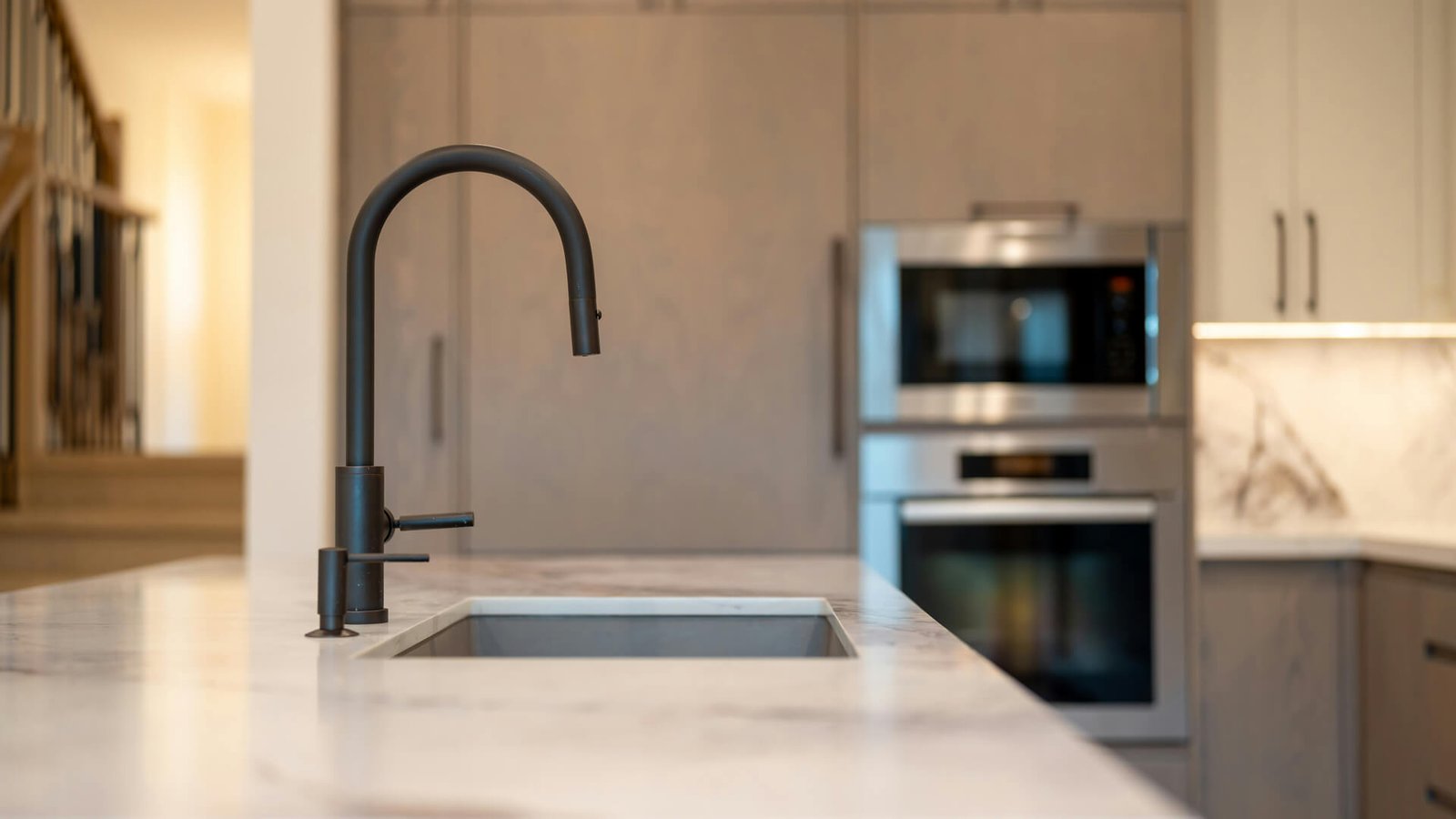
Design trends have also shifted. Stainless steel and chrome used to dominate the market, but matte black, brushed gold, and bronze finishes are now in demand. These finishes add elegance and match modern interior design styles.
Types of Faucets for Homes and Businesses
There are many types of faucets, each designed for different spaces and needs:
Single-Handle Faucets
These combine hot and cold water into one lever, making them easy to use. They’re ideal for kitchens and bathrooms.
Double-Handle Faucets
These provide separate control for hot and cold water. They allow finer temperature control and suit traditional designs.
Pull-Down and Pull-Out Faucets
Common in kitchens, these faucets feature extendable hoses for washing vegetables, dishes, or larger pots.
Wall-Mounted Faucets
These create more counter space and add a clean, modern look.
Touchless Sensor Faucets
Activated by motion, they improve hygiene and reduce water waste.
Commercial Faucets
Heavy-duty faucets are used in restaurants, labs, and factories. They handle higher water pressure and frequent use.
Each type provides unique advantages, and the best faucet depends on how and where it will be used.
Materials Commonly Used in Faucet Manufacturing
Materials affect both the appearance and durability of faucets. The most common materials include:
Brass
Known as the strongest and longest-lasting material, brass resists corrosion and is used in most high-quality faucet bodies.
Stainless Steel
Durable and rust-resistant, stainless steel gives kitchens a clean, industrial look.
Zinc Alloy
Less expensive than brass, zinc is used for budget faucets but has shorter durability.
ABS Plastic
Lightweight and often coated with chrome, ABS is used for handles and decorative parts.
Ceramic Discs
These are part of modern faucet cartridges and help prevent leaks.
Using the right materials ensures smooth operation and long-lasting performance. Brass remains the gold standard, especially for internal parts that contact water.
How to Choose the Right Faucet
Choosing the right faucet goes beyond looks. Here are key factors:
Water Pressure Compatibility
Different faucets require different pressure levels. Always check manufacturer specifications.
Cartridge Quality
Ceramic disc cartridges offer the best durability and leak resistance.
Finish Durability
Choose finishes like brushed nickel or stainless steel that resist fingerprints and water stains.
Spout Height
Taller spouts work better for kitchens, while low-profile spouts suit bathrooms.
Installation Requirements
Some sinks support one-hole faucets while others need three-hole setups.
Functionality
Pull-down sprayers, swivel spouts, and touchless sensors can make daily tasks easier.
Choosing the right faucet increases comfort and prevents long-term issues.
Installation Guide for Faucets
Installing a faucet can be simple or complex depending on the design.
Basic Steps for Standard Faucets
- Shut off the water supply.
- Remove the old faucet using a wrench.
- Clean the sink area.
- Insert the new faucet through the mounting hole.
- Tighten the mounting nut underneath.
- Connect hot and cold water lines.
- Turn the water back on and check for leaks.
Installing Wall-Mounted Faucets
These require accurate pipe positioning and may need professional installation.
Installing Sensor Faucets
These require battery packs or transformers. Installation includes wiring the sensor module and connecting the solenoid valve.
Proper installation ensures your faucet works at its best and avoids unnecessary leaks.
Common Problems with Faucets
Even the best faucets can face issues over time. Common problems include:
Dripping Faucets
Usually caused by worn-out cartridges or washers.
Low Water Pressure
This may come from clogged aerators or internal sediment buildup.
Corrosion
Low-quality materials can rust or fade.
Leaking Around the Base
Often caused by loose connections or worn O-rings.
Noisy Faucets
Air in the pipes or high-pressure flow can cause whistling sounds.
Addressing small issues early prevents bigger problems later.
Maintenance and Cleaning Tips for Faucets
Maintaining faucets helps extend their lifespan:
Regular Cleaning
Use mild soap and water. Avoid abrasive cleaners that damage finishes.
Check Aerators
Unscrew and rinse aerators monthly to remove mineral buildup.
Tighten Loose Screws
Handles and base plates can loosen over time.
Prevent Mineral Buildup
Soak the faucet head in vinegar occasionally.
Inspect Cartridges
Replace worn cartridges to restore smooth flow.
Simple maintenance prevents leaks, keeps faucets looking new, and improves performance.
Benefits of Upgrading to Quality Faucets
Upgrading gives many advantages:
Better Water Efficiency
Modern faucets use aerators to reduce water consumption without losing pressure.
Improved Hygiene
Touchless faucets reduce germs, especially in shared spaces.
Longer Lifespan
High-quality faucets last years and prevent annoying leaks.
Enhanced Style
A stylish faucet boosts your kitchen or bathroom’s appearance.
Lower Repair Costs
Durable materials mean fewer replacements.
Investing in quality saves money in the long run.
Faucet Buying Guide
When buying a faucet, always check:
- Material quality (prefer brass)
- Cartridge type (choose ceramic disc)
- Finish durability
- Warranty terms
- Water pressure compatibility
- Installation method
Trusted plumbing resources like Ferguson provide reliable product details and industry standards (www.ferguson.com).
Faucets FAQs
What is the most durable faucet material?
Brass is considered the most durable.
How long do faucets last?
Most quality faucets last 10–15 years.
Do touchless faucets require electricity?
Some use batteries; others use low-voltage transformers.
Why is my faucet dripping?
A worn cartridge or gasket is usually the cause.
Can I install a faucet myself?
Yes, standard faucets are DIY-friendly.
How do I clean my faucet without damaging the finish?
Use mild soap and water. Avoid harsh chemicals.
Conclusion
Faucets are small fixtures with a big impact on daily life. Choosing the right one improves water efficiency, hygiene, and comfort. Whether you want a modern touchless faucet or a traditional double-handle design, understanding the materials, installation steps, and maintenance methods helps you make a smart decision. A reliable faucet doesn’t just complete your kitchen or bathroom—it enhances your everyday routines and adds value to your home.