Bathroom cabinets play one of the most important roles in any modern home. They’re not just simple storage boxes; they shape your bathroom’s style, boost your comfort, and make everyday routines smoother. When people update their bathrooms, the first thing they often change is the cabinet. Why? Because bathroom cabinets influence both design and function at the same time. A well-built cabinet keeps the space tidy, lifts the room’s look, and even improves the value of the home. That’s why learning about bathroom cabinets at a deeper level truly matters.
In this complete guide, you’ll discover how bathroom cabinets work, what types exist, which materials last longest, how to pick the right design, and what problems to avoid. I’ll also share tips based on real-world industry knowledge and personal experience from working with bathroom product suppliers. From choosing the right model to caring for it properly, this article covers everything you need to know. So, let’s dive in.
Understanding Bathroom Cabinets
Bathroom cabinets are specially designed storage units meant to survive humidity, splashes, and constant use. Unlike kitchen cabinets, bathroom cabinets must be built with materials that can resist mold, water damage, swelling, or corrosion. Early bathroom cabinets used simple wood boxes, but today’s models include smart storage layouts, soft-close hinges, moisture-proof panels, and stylish finishing.
Bathroom cabinets are usually placed under the sink, above it, or even built into the wall. Each location serves a different purpose. A vanity cabinet gives space for towels and daily items. A wall-hung cabinet saves floor area and creates a sense of openness. A mirrored cabinet combines storage with a practical mirror. Understanding these types helps you choose cabinets that fit your lifestyle and bathroom size.
The Role of Bathroom Cabinets in Modern Homes
Bathroom cabinets have become essential in today’s homes. With growing interest in minimalism and organized spaces, people don’t want cluttered countertops anymore. A good cabinet keeps everything hidden and neat. It also helps maintain hygiene because items are stored safely away from dust and moisture. Another reason bathroom cabinets are important is aesthetics. A stylish cabinet can completely change the look of a bathroom, making it feel more luxurious or modern.
Today’s homeowners also look for cabinets that match their personality and decor style. Some want glossy, sleek cabinets for a contemporary home. Others prefer rustic wooden cabinets for a warm, earthy feel. There are endless choices, which means homeowners can design their dream bathroom around the right cabinet. The cabinet is no longer just furniture—it’s part of the bathroom’s identity.
Types of Bathroom Cabinets
Bathroom cabinets come in many forms. Vanity cabinets are the most common, placed below the sink to store toiletries. Wall-mounted cabinets hang on the wall and save floor space. Mirrored cabinets combine a mirror and storage, helping you save space and time during your morning routine.
There are also freestanding cabinets that can be moved or rearranged easily. Tall tower cabinets provide vertical storage, perfect for families with many items. Floating cabinets give a clean, modern look while making cleaning easier. Built-in cabinets provide a custom fit for unusual bathroom layouts. Each type has benefits depending on your space, design goals, and storage needs.
Materials Used in Bathroom Cabinets
Bathroom cabinets must resist moisture, heat, and cleaning chemicals. The most common materials include plywood, MDF, particle board, PVC board, solid wood, stainless steel, and aluminum. Plywood is strong and moisture-resistant, making it a top choice. MDF is affordable and smooth but needs proper sealing to prevent swelling. Particle board is budget-friendly but less durable.
Solid wood looks beautiful but must be sealed well to survive bathroom humidity. PVC cabinets are fully waterproof and low-maintenance. Stainless steel and aluminum cabinets are modern, durable, and resistant to rust. Choosing the right material ensures your cabinet lasts many years without warping or damage.
Choosing the Right Bathroom Cabinets
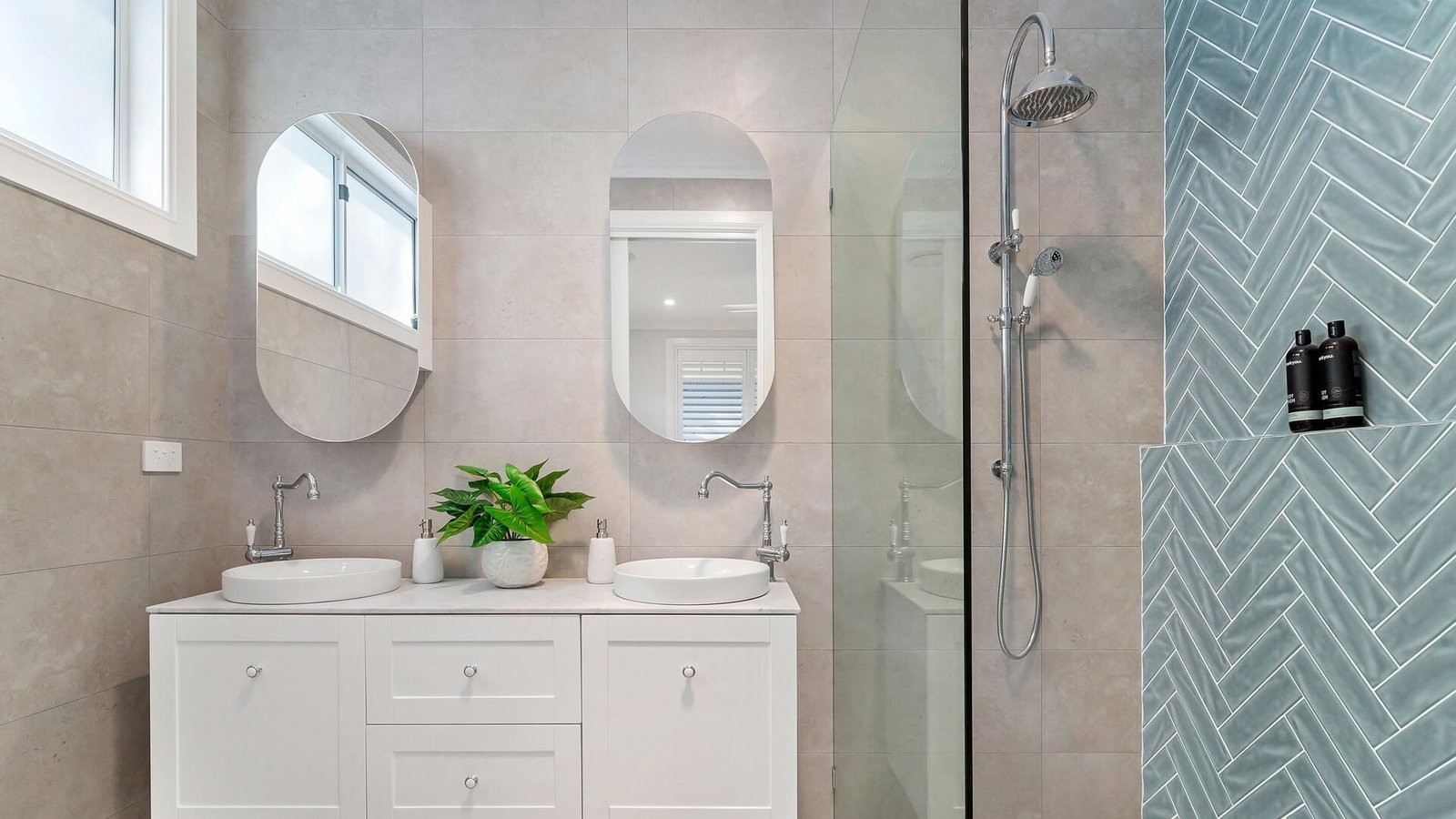
When picking bathroom cabinets, start by measuring your space. Think about how many people use the bathroom and what items you need to store. In smaller bathrooms, floating cabinets or wall-mounted cabinets make the room feel bigger. In large bathrooms, double-sink vanities add convenience and style.
Choose cabinets that match your decor. Consider whether you want open shelves, closed doors, or a combination. Also, check features like soft-close hinges, waterproof coatings, adjustable shelves, and durable finishes. Don’t forget to choose a cabinet that fits your plumbing layout. A cabinet may look great but won’t fit correctly if your pipes block the drawers.
Design Trends in Bathroom Cabinets
Current trends include natural wood colors, matte finishes, minimalistic handles, and soft, muted tones. Floating cabinets are extremely popular because they create a clean, modern look. Another trend is integrating LED lighting around mirrors and under the cabinets for a luxury feel.
People also want sustainable materials like bamboo and recycled wood. Smart storage is trending too—cabinets with built-in organizers make everyday routines easier. You might also notice more bold colors like navy blue or emerald green in modern designs. These styles make the bathroom look more personalized and high-end.
Bathroom Cabinets Installation Guide
Installing bathroom cabinets requires careful planning. First, remove the old cabinet and check the condition of the wall. Always measure the pipe connections and mark the positions of screws before mounting the cabinet.
If you’re installing a floating cabinet, ensure the brackets sit on strong wall studs. For standing cabinets, make sure the floor is level. Seal the edges with waterproof silicone to prevent water from entering the wood.
Professional installation ensures accuracy and long-lasting results, but many homeowners install cabinets themselves with basic tools. Just follow the instructions carefully and double-check every measurement.
Common Problems with Bathroom Cabinets
Bathroom cabinets can face problems like swelling, peeling, rusting, loose hinges, and mold growth. Most of these issues come from poor-quality materials or lack of maintenance. Cabinets made of cheap particle board often swell when exposed to water. Metal cabinets may rust if their coating wears off. Improper installation can cause doors to become misaligned.
Humidity is the main enemy of any bathroom cabinet. Without proper ventilation, mold can appear inside cabinets. Fixing these issues early prevents long-term damage and costly replacements.
Maintenance Tips for Bathroom Cabinets
Maintaining bathroom cabinets is easy if done regularly. Always wipe spills immediately to prevent water damage. Use mild cleaners instead of harsh chemicals. Keep the bathroom well-ventilated by opening windows or using an exhaust fan. This reduces humidity inside the cabinet.
Check hinges, handles, and drawer slides every few months. Tighten screws or replace loose parts. For wooden cabinets, apply a protective sealant occasionally. Metal cabinets benefit from anti-rust spray. A little care goes a long way in keeping cabinets strong and beautiful.
Benefits of Investing in Quality Bathroom Cabinets
Quality bathroom cabinets last longer, look better, and provide better functionality. They resist moisture, reduce clutter, increase home value, and improve your daily routine. A well-designed cabinet makes your bathroom look more organized and luxurious.
High-quality cabinets also save money in the long run because you won’t need to replace them often. When choosing cabinets, think of them as an investment, not an expense.
Bathroom Cabinets Buying Guide
When buying bathroom cabinets, compare materials, dimensions, design styles, installation methods, warranty options, and price. Look for reputable sellers with strong product reviews. Check if the cabinet meets your storage needs, fits your bathroom layout, and matches your interior style.
Websites like Wayfair, Home Depot, and Build.com offer detailed specifications and customer reviews that help you choose wisely.
Bathroom Cabinets FAQs
What materials are best for bathroom cabinets?
Plywood, PVC, stainless steel, and sealed solid wood are excellent moisture-resistant options.
How long do bathroom cabinets last?
With proper care, high-quality cabinets can last 10–20 years.
Can bathroom cabinets be repainted?
Yes, especially wood or MDF cabinets. Just sand, prime, and paint.
Are floating bathroom cabinets durable?
Yes, as long as they’re mounted securely onto wall studs.
Should I hire a professional for installation?
It’s safer, especially for floating or heavy cabinets.
Do bathroom cabinets increase home value?
Yes, updated bathroom fixtures often raise property value.
Conclusion
Bathroom cabinets are essential in shaping the comfort, design, and functionality of today’s bathrooms. With the right choice, you can enjoy long-lasting storage solutions that make daily routines easier while giving your home a more polished look. Whether you’re renovating or choosing cabinets for a new home, this guide helps you make confident and informed decisions.